


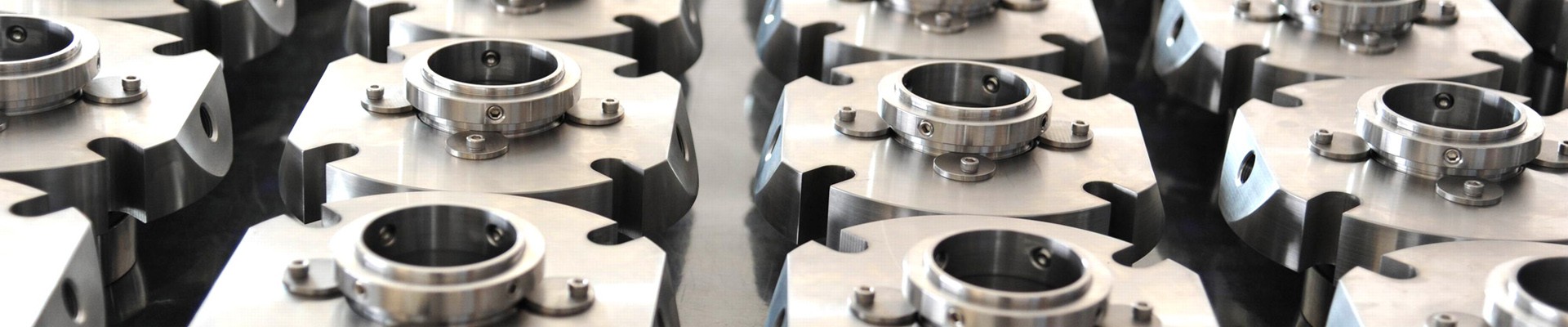
השימוש שלאטמים מכנייםבכלי לחץ גבוה זה הרבה יותר קשה מאשר בכלי לחץ בינוני ונמוך, בעיקר בגלל הלחץ הגבוה. אם הוא נתקל בקוטר גדול ובטמפרטורה גבוהה בלחץ גבוה, זה יהיה קשה יותר. בטמפרטורה גבוהה, החומר נוטה לעיוות פלסטי, ואפילו לזחול, בורג ההידוק ישתחרר, וקל לדלוף. אין ספק, כאשר מתכננים את המבנה הכולל של כלי הלחץ הגבוה-, עלינו לשקול תחילה להקטין את קוטר פתח האיטום ככל האפשר, לבחור חומרים שקשה לשחררם ולעוות אותם בטמפרטורת התכנון ובעלי טוב חוזק, ולאחר מכן בחר באופן סביר מבנה איטום מתאים, כדי להשיג איטום אמין. חותם.
טכנולוגיית איטום מכני לכלי לחץ גבוה, מעיקרון האיטום ומבנה האיטום, העקרונות הכלליים הם כדלקמן:
1.Metal gaskets are generally used, and the specific pressure on the high-pressure sealing surface greatly exceeds the sealing specific pressure of medium and low pressure containers, and non-metallic gasket materials cannot achieve such a large sealing specific pressure. Commonly used metal gaskets for high pressure vessels are annealed aluminum, annealed copper or mild steel with good ductility.
2. נעשה שימוש באטמי פנים צרים, ולפעמים אפילו אטמי פנים צרים מתפתחים לאטמי מגע קו.
3. השתמש בלחץ בינוני ככל האפשר כדי להשיג אטמים-מהידוק עצמי, מכיוון שאטמי הידוק-עצמיים אמינים וקומפקטיים יותר מאשר איטום מאולץ.
There are many types of high-pressure seals, which are divided into two categories: forced seals and self-tightening seals according to their working principles. Forced sealing relies on the pre-tightening force of the connector (bolt) to ensure a certain contact pressure between the top cover of the pressure vessel, the sealing element and the end of the cylinder to achieve the purpose of sealing. Self-tightening sealing means that as the operating pressure in the pressure vessel increases, the contact pressure between the sealing element, the top cover, and the end of the cylinder also increases, thereby realizing the sealing effect. The characteristics of self-tightening seals are that the higher the pressure, the greater the pressing force of the sealing elements between the contact surfaces, and the better the sealing performance. When the operating conditions fluctuate, the sealing is still reliable, but the structure is more complicated and the manufacturing is more difficult. Self-tightening seals can also be divided into axial self-tightening seals and radial self-tightening seals according to the deformation of the sealing element.
According to the properties of the sealing material, high-pressure seals can be divided into plastic seals that cause plastic deformation of the sealing element and elastic seals that cause elastic deformation of the sealing element.
At present, the commonly used mechanical seals for pressure vessels include flat gasket seals and Kazari seals; semi-self-tightening seals include double cone seals; self-tightening seals include wedge seals, Wood seals, hollow metal O-ring seals, C-ring seals, B Ring seal, triangular pad seal, octagonal pad seal, flat pad self-tightening seal and rubber O-ring seal, etc.
In the appendix of the national standard for steel pressure vessels in my country, several commonly used mechanical seals structures are recommended based on experience and structural characteristics, which can be reasonably selected in combination with operating conditions during design.


